
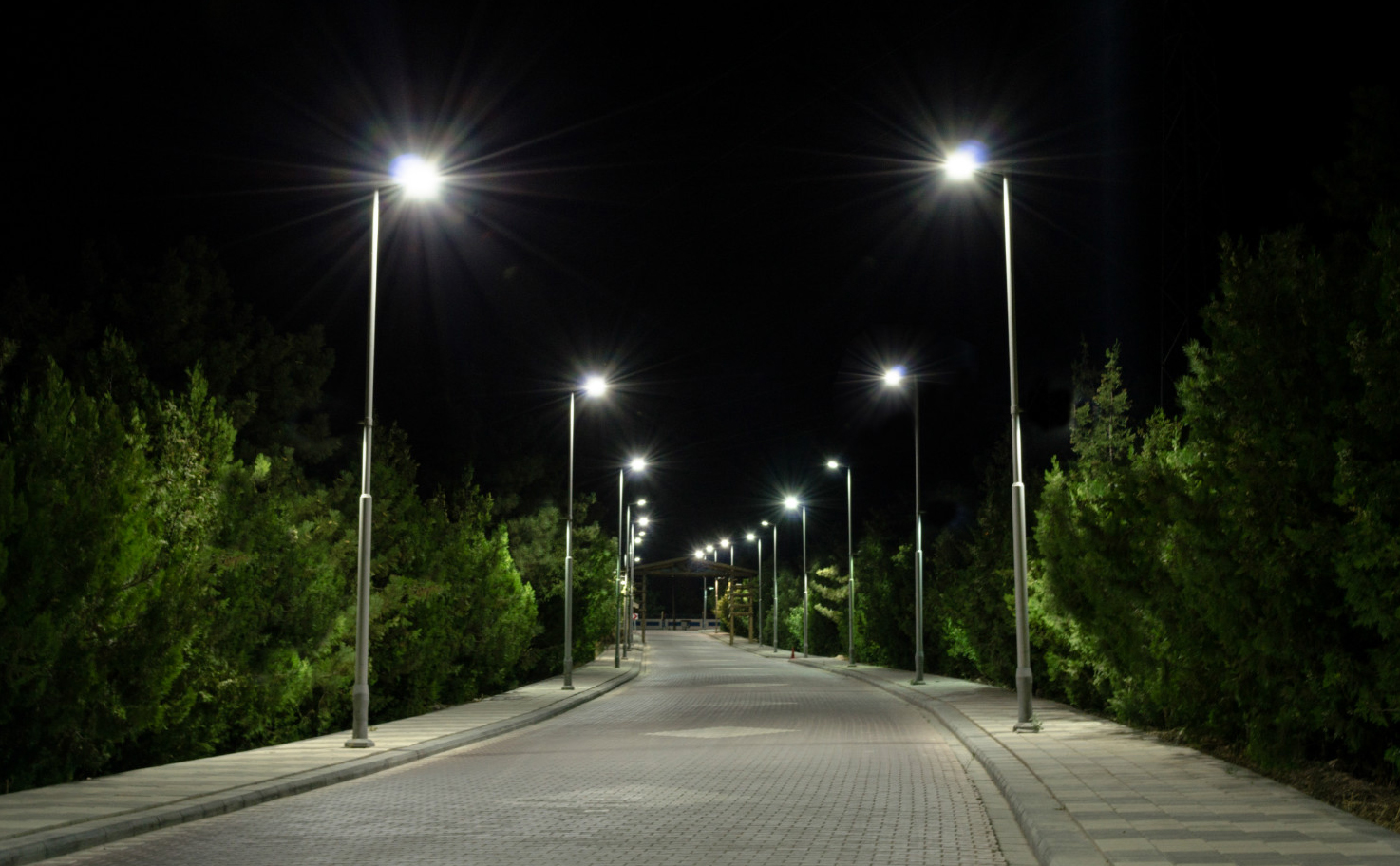
Importance of Led Street Light
LED street lights, also known as LED road lights or LED roadway lighting, are energy-efficient lighting fixtures designed for illuminating streets, roads, highways, and other outdoor areas. They utilize light-emitting diodes (LEDs) as their light source instead of traditional incandescent or fluorescent bulbs. Here are some key features and benefits of LED street lights: 1.Energy Efficiency: LED street lights are highly energy-efficient compared to traditional lighting options. They convert a higher percentage of electrical energy into visible light, resulting in significant energy savings. 2.Long Lifespan: LED street lights have a longer lifespan compared to conventional lighting technologies. They can last up to 2-3 times longer, reducing maintenance and replacement costs. 3.Improved Lighting Quality: LED street lights provide bright, uniform illumination with a high color rendering index (CRI). They produce better visibility, enhancing road safety and reducing accidents. 4.Directional Lighting: LEDs emit light in a specific direction, allowing for precise light distribution. This helps minimize light pollution by reducing unnecessary glare and directing the light where it is needed. 5.Instant On/Off: LED street lights reach full brightness instantly, without any warm-up time. They can also be easily dimmed or controlled using smart lighting systems, enabling further energy savings and customization. 6.Environmental Friendly: LED street lights are environmentally friendly due to their energy efficiency and long lifespan. They have a reduced carbon footprint, lower greenhouse gas emissions, and contain no hazardous materials such as mercury. 7.Cost Savings: Although LED street lights have a higher upfront cost compared to traditional lighting, their long-term operational cost savings often outweigh the initial investment. The energy savings and reduced maintenance expenses contribute to significant cost reductions over the lifespan of the fixtures. LED street lights are commonly used by municipalities, cities, and transportation departments for lighting up public roads, highways, parking lots, and other outdoor areas. Their adoption is increasing worldwide due to their numerous advantages over traditional lighting technologies. Regenerate response
Related Articles